
Have you ever dreamed of becoming a private investigator, solving mysteries and uncovering secrets? This field requires more than just a sharp mind and a keen eye for detail; it requires knowledge, skill, and a well-structured approach. Let’s peel back the layers of this intriguing profession and unveil the path on how to become a private investigator.
Key Takeaways
- Understand state licensing requirements to become a licensed private investigator.
- Gain experience and training, select appropriate tools, prepare your surveillance vehicle and build professional networks.
- Establish a professional presence while adhering to ethical standards & legal compliance for successful PI business.
Understanding State Licensing Requirements
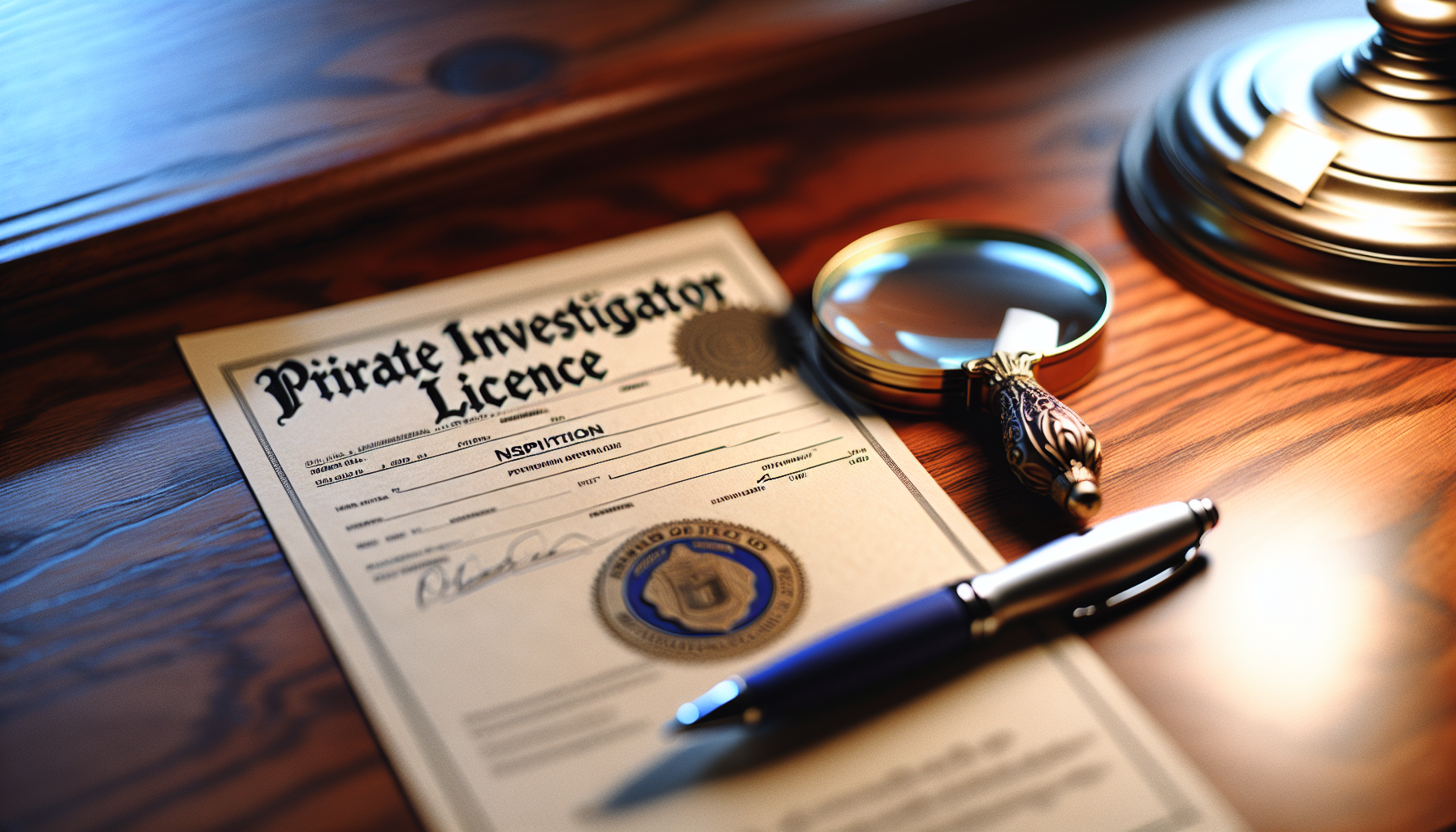
Imagine yourself as an eagle, flying high and keeping a watchful eye on the ground below. Becoming a private investigator is akin to being that eagle, using your keen sight to observe and analyze, but to do so, you need a license. Like learning to fly, obtaining a private investigator license takes time, effort, and understanding.
Not all birds fly the same way, right? The licensing requirements for a private investigator differ from state to state, just as different species of eagles employ unique flying techniques. Most states generally require private investigators to be licensed. In order to obtain the licensure, specific educational and professional work experience criteria must be met, and an examination must be passed. If you’re planning to swoop down into the field of private investigation, understanding these requirements is your first step towards spreading your wings.
Age and Education Criteria
Aspiring private investigators must meet certain age and education criteria. Typically, you must be 21 and possess a high school diploma or GED certificate. Individuals with higher education, such as a degree in criminal justice or criminal law, will find more job opportunities and a higher median annual salary.
Education requirements vary by state, and in a few states, there are no specific education requirements to become a private investigator. However, some states require private investigators to possess certifications like the Professional Certified Investigator Certification, which can help showcase their expertise and professionalism.
Experience and Training
Budding private investigators acquire important experience by working in the field. To obtain a private investigator license, you must possess three years of full-time investigative experience. Building up this experience takes time and dedication.
There’s no one-size-fits-all when it comes to gaining the right kind of experience. Some find it beneficial to have served in a law enforcement agency or in a related role, while others might have experience in computer forensics or insurance adjustment. The right kind of experience depends on the type of investigations you plan to conduct.
Essential Equipment for Private Investigators
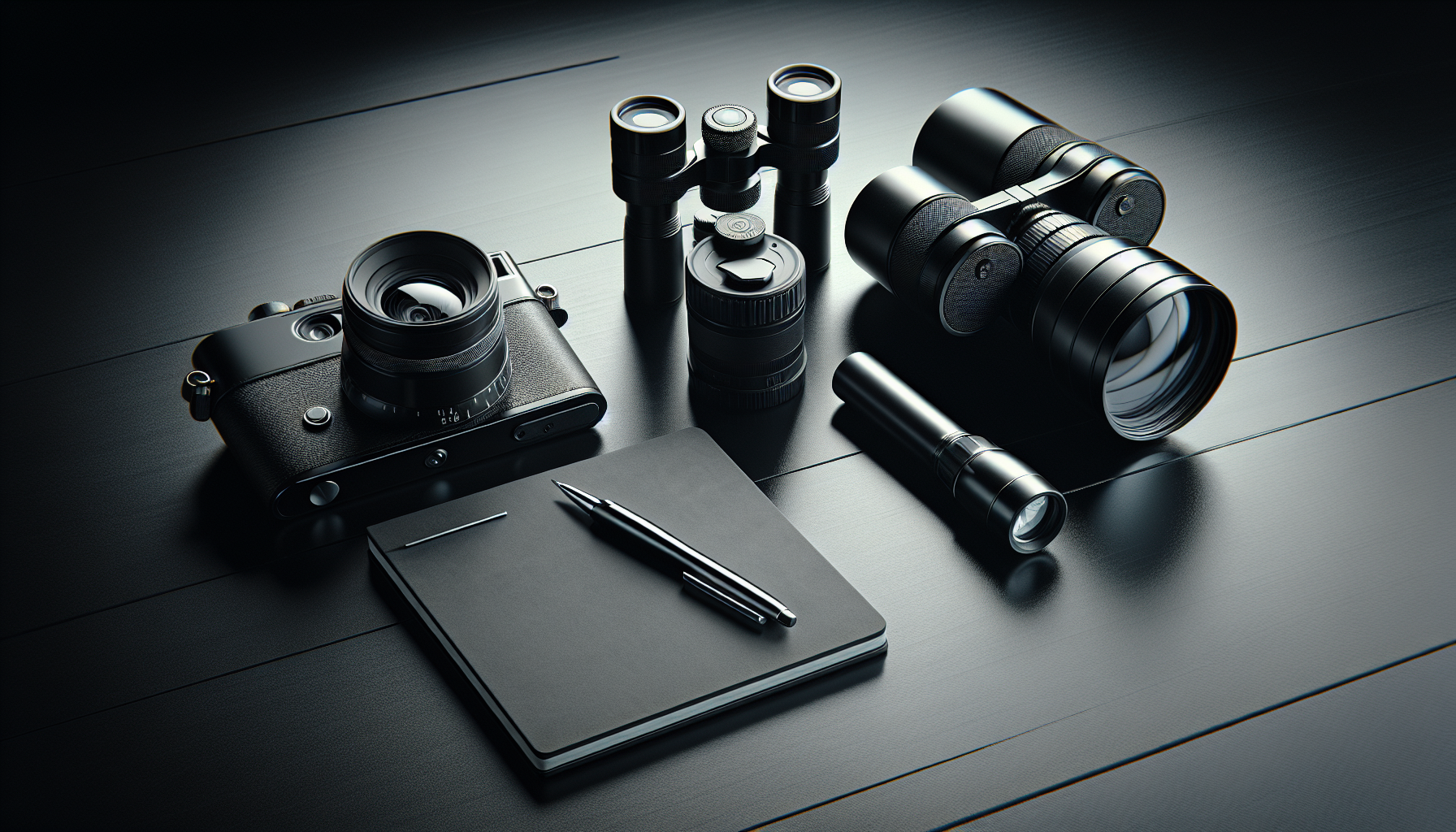
Private investigators need the right equipment to conduct effective investigations. This equipment acts as your eyes and ears, helping you gather accurate and reliable evidence.
The type of investigation dictates the equipment you’ll need. For surveillance, you might need cameras, binoculars, and audio recording devices. On the other hand, an investigation involving computer forensics may require specialized software and hardware tools. The selection of equipment will depend on specific investigation needs and objectives.
Choosing the Right Tools
Choosing the right tools for a private investigator’s arsenal is akin to a chess player planning their next move. The investigator’s toolkit is diverse and indispensable, but its use must be governed by legal and ethical considerations. The toolkit can include:
- Binoculars for distant surveillance
- Specialized software for computer and cell phone investigations
- GPS devices and trackers to monitor movements
- Covert cameras for discreet observations
- Microphones and bugs for audio surveillance
- Interview recorders to document conversations
- Surveillance drones for aerial perspectives
However, it’s crucial to note that the use of some of these tools, such as recording devices and GPS trackers, may be illegal without permission in certain jurisdictions. Even where they’re not expressly prohibited, their use could infringe on someone’s right to privacy. As such, a private investigator must be fully aware of the legal boundaries within which they operate, and what tools they can and cannot use.
The nature of the investigation at hand will determine the tools you need. For instance, a surveillance-focused investigator might require binoculars for long-range viewing, various types of cameras for capturing evidence, GPS devices for tracking, covert cameras for unobtrusive surveillance, and audio listening and recording devices to capture conversations. However, they must always ensure their methods are legal and respectful of privacy rights.
Just as a chess player must be strategic and adaptable, a private investigator must be a problem solver, deftly navigating the specific needs and objectives of each investigation within the bounds of the law and ethical conduct.
Maintaining and Upgrading Equipment
Maintenance and upgrading of equipment are crucial for a private investigator. Here are some important steps for maintaining and upgrading your equipment:
- Regular maintenance
- Staying updated with the latest advancements in technology
- Investing in training and education
- Conducting research
- Budgeting
- Networking
By following these steps, you can ensure that your equipment is always in top shape for your investigative work, avoiding any lost or stolen property.
The pace of technological advancements in private investigation equipment is significant. Recent advancements encompass:
- Discreet cameras
- Listening devices
- GPS tracking systems
- High-resolution X-ray machines
- Bug detection devices
- Database access tools
- Sophisticated data analysis software
- Drone technology
These advancements have significantly improved the effectiveness of licensed private investigators, also known as private detectives, in conducting surveillance, collecting evidence, and resolving cases through their investigative services. For prospective private investigators, this means a higher success rate and more efficient work.
Preparing Your Surveillance Vehicle

Your surveillance vehicle is your base of operations. Selecting the right vehicle and preparing it for surveillance is a crucial part of private investigative work.
The type of vehicle you use will depend on factors such as:
- the ability to blend in
- comfortable seating
- window size
- customization options
- environmental suitability
Choosing the right vehicle ensures that it is suitable for surveillance assignments and doesn’t stand out.
Vehicle Selection
When choosing a vehicle for surveillance work, consider the following qualities:
- Discreet
- Versatile
- Fuel-efficient
- Ample storage space
- Comfortable and reliable
SUVs like Toyota Corollas, Ford Escapes, and Honda Odyssey are ideal for surveillance work. They provide a heightened view, are inconspicuous, and have plenty of room for necessary equipment.
Installing Surveillance Equipment
After selecting your vehicle, the next step is to equip it with the right tools. Installation of surveillance equipment in your vehicle involves careful planning and execution. You must select the right equipment and install it in the right places to ensure optimal functionality.
Gaining Experience: Working with a Licensed Investigator
Finding a mentor in the field can be immensely helpful. A mentor can provide pertinent advice, guidance, and practical knowledge, helping you to hone the skills required to effectively carry out the daily duties of a private investigator.
Finding a Mentor
Choosing a mentor can be a pivotal step in your journey to becoming a private investigator. The right mentor can guide you, help you improve your skills, and provide you with the necessary advice to navigate the challenges of the field.
There are numerous online platforms that can assist you in finding a mentor. These platforms connect you with experienced professionals who can share their knowledge and experiences, providing an effective and convenient way to access mentorship and guidance.
Building a Professional Network
A private investigator relies on a robust professional network. Building a professional network involves establishing connections with fellow professionals in the field, attending industry events, and joining professional organizations.
Joining professional organizations can be particularly beneficial, providing you with educational resources, certification programs, and networking opportunities.
Pursuing Certification and Continuing Education
Continuing education is equally important. It helps you stay abreast of the latest developments in the field, learn new skills, and understand emerging technologies and investigative techniques.
Certification Options
A variety of certification options are available for private investigators. You can pursue certifications in:
- Case management experience
- Investigations experience
- Computer forensics
- Communication and interviewing
- Computer security/IT
Each certification, including the certified legal investigator certification, has its own requirements. For example, to obtain a Certified Professional Investigator (CPI) certification, you need to meet certain experience, education, training, and reference requirements, and also pass a comprehensive examination.
Staying Current with Industry Trends
Private investigators must stay updated with industry trends. This helps them acquire new skills, become knowledgeable about emerging technologies and investigative techniques, and stay abreast of changes in laws and regulations.
Continuing education offers several benefits, including:
- Staying updated with industry trends
- Networking with other professionals
- Connecting with the latest developments through conferences and professional associations.
Building a Successful Private Investigation Business
Setting up a successful private investigation business needs meticulous planning and execution. It involves:
- Building a strong network
- Developing a business plan
- Creating a professional website
- Utilizing social media
- Designing a professional logo
- Seeking professional marketing assistance.
However, creating a professional presence is just the beginning. A successful business also needs to adhere to ethical conduct and legal compliance. A private investigation business must comply with legal regulations and uphold ethical standards.
Establishing a Professional Presence
Crafting a professional presence is crucial for a private investigator. This involves:
- Showcasing your analytical capabilities
- Adhering to ethical and professional standards
- Building professional relationships
- Distinguishing yourself
- Fostering trust
- Producing content for your target clientele
A professional website can enhance your online presence and attract clients, serving as a platform where clients can learn about your skills, services, and accomplishments.
Ethical Conduct and Legal Compliance
A private investigator must adhere to legal and ethical standards. This involves respecting the legal rights of all parties, maintaining confidentiality, and operating with integrity and fairness.
Not adhering to these standards can result in severe consequences, such as fines, imprisonment, and potential civil liabilities when dealing with missing persons cases. A private investigator disregarding legal and ethical standards may face professional downfall.
Summary
Becoming a private investigator is a journey that involves acquiring the right education, experience, and equipment. It requires understanding state licensing requirements, choosing the right tools and maintaining them, and preparing your surveillance vehicle. Gaining experience by working with a licensed investigator, pursuing certification and continuing education, and building a successful private investigation business are all crucial steps in this journey. A private investigator navigates the complex terrain of laws, ethics, and investigative techniques to reach the heights of success.
Frequently Asked Questions
How long does it take to become a private investigator in California?
It typically takes three years of investigative experience to become a private investigator in California, but those with relevant post-secondary degrees can earn a license more quickly.
Is it hard being a private investigator?
Being a private investigator can be demanding and dangerous, as it often involves spending long hours in the field with the potential for confrontation.
Do you need a license to be a PI in AZ?
A license is required to conduct investigations on a contract basis as a private investigator in Arizona. There is an exception if the investigator is an employee working only on investigative
What degree is best for a private investigator?
For a career as a private investigator, the most beneficial degree is one in criminal justice or legal studies; however, backgrounds in psychology, law enforcement, business administration, and crime scene investigation can also open up new opportunities.
What are the steps to become a private investigator?
To become a private investigator, one should understand their state’s licensing requirements, acquire relevant education and experience, choose the right equipment and maintain it, prepare a surveillance vehicle, gain experience by working with a licensed investigator, pursue certification, and continue with their education before building a successful business.


 The OC Investigator
Leave a comment